
Table of Contents
ToggleWebsite Development – A Complete Guide for Beginners and Professionals Introduction to Website Development
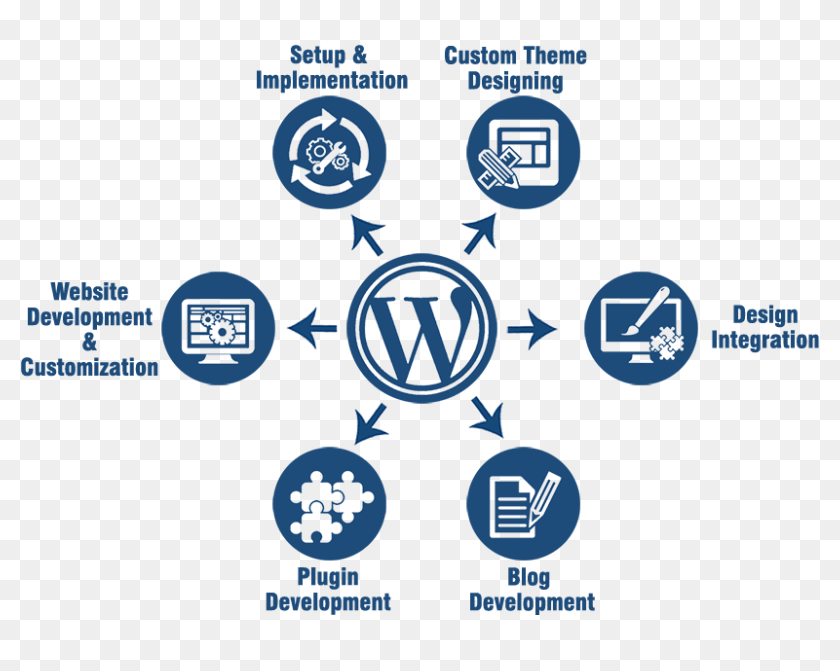
Let’s be honest—every business, freelancer, and brand today needs a website. But behind every great website is solid development knowledge. That’s where a website development blog page comes into play. Think of it as a friendly guidebook that lives online, helping people understand how websites are built, optimized, and maintained.
Servers, Databases, and APIs Back-end development handles data storage, server logic, authentication, and communication between systems. Languages like PHP, Python, Node.js, and databases like MySQL or MongoDB play a big role here. Full-Stack Development Overview Full-stack developers handle both front-end and back-end tasks. They’re like all-rounders in cricket—capable of batting and bowling when needed. Purpose of a Website Development Blog Page Why should you even create a website development blog page? Good question. Educating Beginners Many beginners feel overwhelmed by coding. Blogs break complex topics into bite-sized, easy-to-digest content. Sharing Industry Updates New frameworks, tools, and updates drop frequently. A blog helps keep your audience in the loop. Building Authority and Trust Consistent, high-quality blog posts position you as an expert. People trust websites that teach, not just sell. Essential Features of a High-Quality Website Development Blog Not all blog pages are created equal. Clean and Responsive Design Your blog should look good on desktops, tablets, and mobiles. A clutter-free design keeps readers focused. Fast Loading Speed No one likes waiting. A slow blog page is like a slow cashier—people leave. SEO-Friendly Structure Proper headings, clean URLs, and internal linking help search engines understand your content. User-Friendly Navigation Readers should easily find categories, tags, and popular posts without getting lost. How to Plan Content for a Website Development Blog Random posting won’t work. Planning is key. Identifying Your Target Audience Are you writing for beginners, business owners, or experienced developers? Your tone and depth depend on this. Keyword Research for Website Development Blogs Using the right keywords helps your blog rank on Google. Creating a Content Calendar Consistency beats intensity. A simple calendar keeps your blog alive and growing. Types of Content for a Website Development Blog Page Variety keeps readers engaged. Tutorials and How-To Guides Step-by-step guides are gold. They solve real problems and attract long-term traffic. Code Snippets and Examples Developers love ready-to-use code. It saves time and effort. Framework and Tool Reviews Honest reviews help readers choose the right tools without trial and error. Case Studies and Real Projects Sharing real projects builds credibility and shows practical application. Writing SEO-Optimized Content for Website Development Blogs Great content deserves visibility. On-Page SEO Best Practices Use keywords naturally, optimize meta titles, and add descriptive alt text to images. Internal and External Linking Linking related posts improves user experience and SEO value. Using Headings and Schema Markup Proper H-tags and FAQ schema make your blog search-engine friendly. Best Practices for Designing a Website Development Blog Page Design impacts readability more than you think. Layout and Visual Hierarchy Use whitespace, headings, and bullet points to guide the reader’s eyes. Typography and Readability Readable fonts and comfortable line spacing keep visitors engaged longer. Accessibility Considerations Your blog should be usable by everyone, including people with disabilities. Popular Platforms to Build a Website Development Blog Choosing the right platform matters. WordPress Flexible, SEO-friendly, and beginner-friendly. A top choice for most blogs. Web flow Perfect for designers who want visual control without heavy coding. Custom Development Ideal for advanced users who want complete customization. Monetization Strategies for Website Development Blogs Yes, blogs can make money. Affiliate Marketing Recommend tools and earn commissions. Sponsored Content Brands pay for exposure to your audience. Selling Digital Products E-books, templates, and courses are popular options. Common Mistakes to Avoid Even great bloggers mess up sometimes. Overusing Technical Jargon Keep it simple. Explain like you’re talking to a friend. Ignoring SEO Basics Good content without SEO is like a shop without a signboard. Inconsistent Posting Irregular updates hurt trust and rankings. Measuring Success of Your Website Development Blog What gets measured gets improved. Traffic and Engagement Metrics Track page views, bounce rate, and time on page. Conversion Tracking Know what actions users take after reading. Tools Like Google Analytics and Search Console These tools are your blog’s health monitor. Future Trends in Website Development Blogging The future looks exciting. AI and Automation AI-powered tools are changing how content and code are created. Web Performance and Core Web Vitals Speed and user experience are becoming ranking factors. No-Code and Low-Code Platforms More people are building websites without writing code. Tips to Grow Your Website Development Blog Faster Growth doesn’t happen by accident. Content Promotion Strategies Share posts on social media and communities. Email Marketing Turn readers into subscribers and loyal fans. Community Building Engage through comments, forums, and newsletters.

Conclusion A website development blog page is more than just a content section—it’s a powerful asset. It educates, builds trust, drives traffic, and even generates income. Whether you’re a beginner or a seasoned developer, investing time in creating and maintaining a high-quality website development blog pays off in the long run. Think of it as planting a tree today that gives shade, fruit, and value for years to come.
Frequently Asked Questions (FAQs)
1. What is the main purpose of a website development blog page?
To educate users, share knowledge, improve SEO, and build authority in web development.
2. How often should I post on a website development blog?
At least once a week or bi-weekly for consistent growth.
3. Is a website development blog useful for beginners?
Absolutely. Blogs simplify complex topics and provide step-by-step learning.
4. Can I monetize a website development blog?
Yes, through affiliates, sponsored posts, and digital products.
5. Which platform is best for a website development blog?
WordPress is the most popular and beginner-friendly option.