
Table of Contents
ToggleDiet Plan :- Guide for a Healthy Lifestyle Introduction to a Balanced Diet Plan
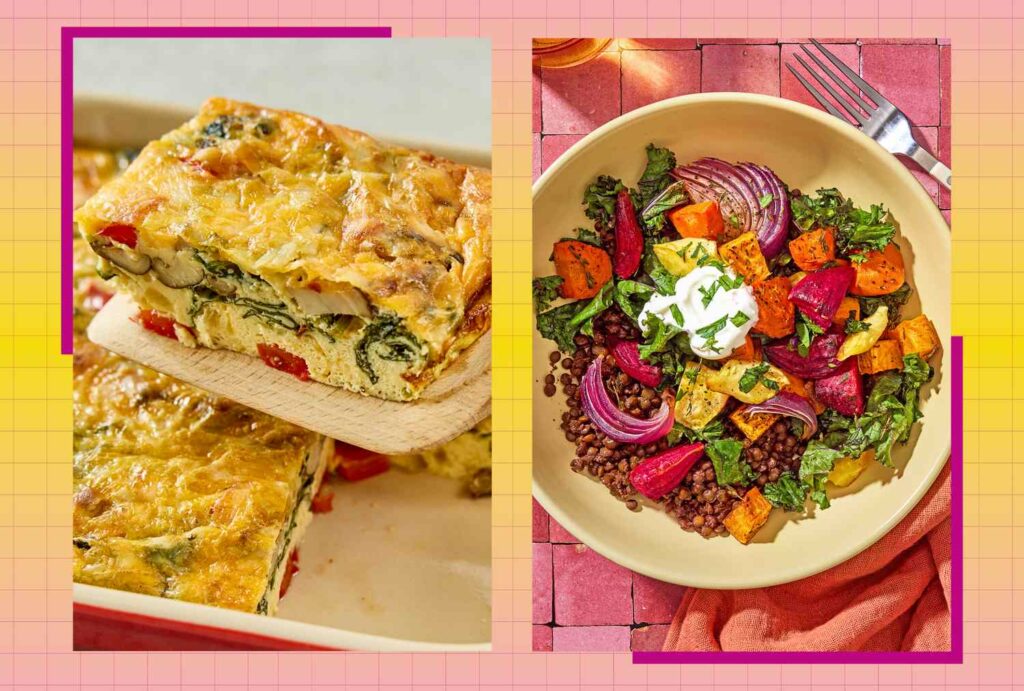
Let’s be honest—when we hear the word diet, most of us imagine boring food, tiny portions, and a constant battle with hunger. But a real diet plan isn’t punishment; it’s a roadmap. Think of it like Google Maps for your health—without directions, Diet Plan you’ll wander aimlessly, but with the right route, you’ll reach your destination smoothly. is simply a structured way of eating that provides your body with the nutrients it needs to function at its best. Whether Diet Plan your goal is weight loss, weight gain, or just staying healthy, a well-planned diet can be a total game-changer.
Why a Diet Plan Is Important for Daily Life Food is fuel. You wouldn’t pour dirty petrol into a luxury car, right? Then why feed your body junk every day? A proper diet plan: Boosts energy levels Improves digestion Strengthens immunity Keeps weight under control Enhances mental focus In short, a good diet plan helps you live better, not just longer. Diet Plan vs Starvation: Know the Difference Here’s a big misconception: dieting means eating less. Nope. Starving yourself slows metabolism, weakens muscles, and messes with hormones. A diet plan focuses on eating right, not eating less. You eat smart, balanced meals—your body thanks you later. Common Myths About Diet Plans Let’s bust a few myths: Myth: Carbs make you fat Truth: Excess calories make you fat, not only carbs. Myth: Skipping meals helps weight loss Truth: It usually backfires
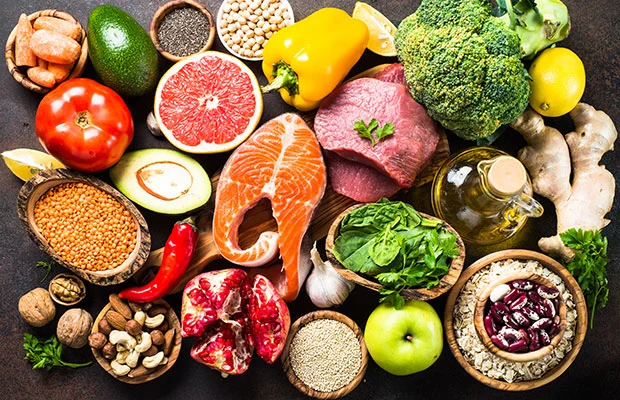
Understanding Nutrition Basics Before jumping into meal charts, let’s understand what your body actually needs. Macronutrients Explained Carbohydrates Carbs are your body’s primary energy source. Choose complex carbs like whole grains, oats, brown rice, and fruits instead of refined sugar. Proteins Proteins build muscles, repair tissues, and keep you full longer. Eggs, pulses, paneer, chicken, fish, and tofu are excellent sources. Fats Healthy fats support brain health and hormone production. Think nuts, seeds, olive oil, ghee (in moderation), and avocados. Micronutrients and Their Role Vitamins and minerals may be needed in small amounts, but their impact is huge. They support immunity, bone health, skin glow, and overall well-being. Eat colorful fruits and vegetables to cover them naturally. How to Create a Perfect Know Your Body Type Everyone’s body responds differently. What works for your friend might not work for you. Age, gender, activity level, and metabolism all matter. Set Realistic Health Goals Want to lose 10 kg in 10 days? Let’s be real—that’s not healthy. Set achievable goals like 0.5–1 kg weight loss per week. Calories: How Much Do You Really Need? Calories aren’t evil. Overeating is. Track your intake and focus on nutrient-dense foods rather than empty calories. Daily Diet Plan for a Healthy Adult Early Morning Diet Warm water with lemon 5–6 soaked almonds Breakfast Oats with fruits or 2 boiled eggs + whole wheat toast or Vegetable poha/upma Breakfast sets the tone for the day; do not skip it. Mid-Morning Snacks Seasonal fruit Coconut water or buttermilk Lunch Diet Plan 2 chapatis or brown rice Dal or grilled chicken Mixed vegetable sabzi Salad + curd Evening Snacks Roasted chana Green tea Fruit smoothie (no sugar) Dinner Light and early Soup + sautéed veggies Paneer/tofu/chicken (small portion) for Weight Loss Weight loss is more about consistency than perfection. Foods to Eat for Weight Loss Leafy vegetables Fruits with fiber Lean protein Whole grains Foods to Avoid During Weight Loss Sugary drinks Fried food White bread Excess sweets Simple Weight Loss Meal Chart Eat small, frequent meals and never skip protein. for Weight Gain Trying to gain weight? Eat more—but eat smart. Healthy Foods for Weight Gain Peanut butter Bananas Rice and potatoes Milk and dairy Weight Gain Meal Strategy Increase calories gradually and combine diet with strength training. Vegetarian Best Vegetarian Protein Sources Lentils Chickpeas Paneer Soy products Sample Veg Balanced meals with carbs, protein, and fats work wonders. Non-Vegetarian Diet Plan Lean Meat and Protein Choices Chicken breast Fish Eggs Sample Non-Veg Combine animal protein with vegetables and whole grains. Indian Diet Plan (Easy & Affordable) Traditional Indian Foods for Good Health Dal, roti, rice, sabzi, curd, and fruits—Indian food is naturally balanced when eaten right. Diet Plan Tips for Busy People Meal prep on weekends Keep healthy snacks handy Drink enough water Avoid junk while traveling Common Diet Mistakes to Avoid Skipping meals Following fad diets Ignoring portion sizes Emotional eating Importance of Water and Hydration Water helps digestion, detoxification, and even weight loss. Aim for 2.5–3 liters daily. Sometimes you’re not hungry—you’re just thirsty.
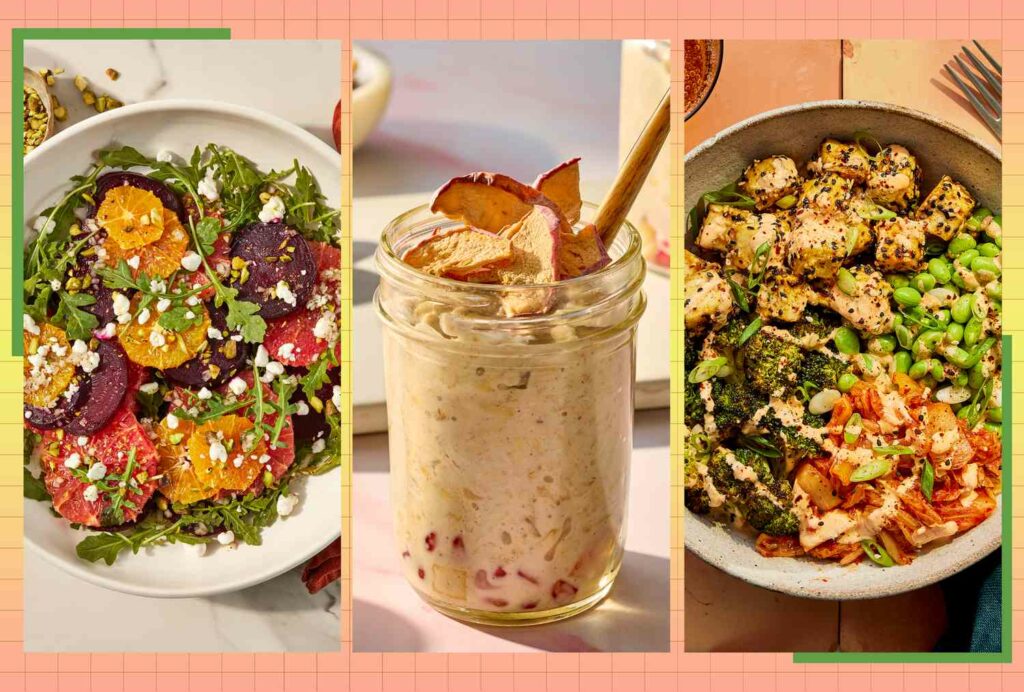
Conclusion A diet plan isn’t about restrictions; it’s about respect—respecting your body, your health, and your future. Start small, stay consistent, and remember: healthy eating is a lifestyle, not a 7-day challenge. Your body listens to what you feed it—make the conversation positive.
Frequently Asked Questions (FAQs)
1. What is the best diet plan for beginners?
A simple, balanced diet with home-cooked food, fruits, vegetables, and adequate protein.
2. Can I follow a diet plan without exercise?
Yes, but combining diet with light exercise gives better results.
3. How long does it take to see diet results?
Usually 2–4 weeks with consistency.
4. Is rice allowed in a diet plan?
Yes, in controlled portions and preferably brown rice.
5. Can I customize this diet plan?