
Table of Contents
ToggleInternet Safety Tips: A Complete Guide to Staying Safe Online
Introduction to Internet Safety
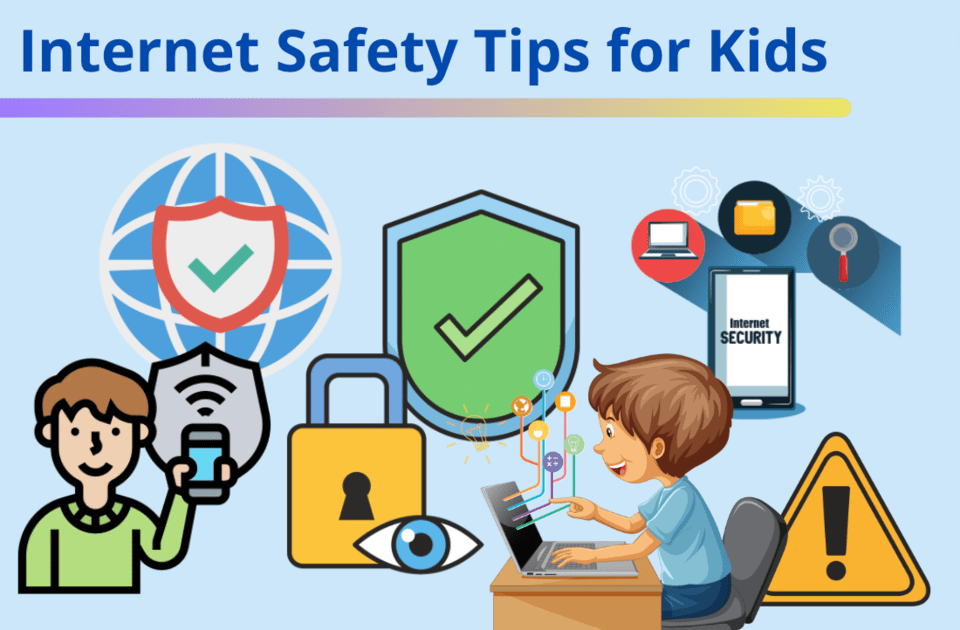
Let’s be honest—internet safety tips life without the internet today feels impossible. From online shopping and banking to social media scrolling at midnight, the internet is woven into our daily routine like chai in an Indian household. But just like you wouldn’t leave your front door open all night, roaming the internet without protection can invite trouble.
Why Internet Safety Matters in Today’s Digital World
The internet is powerful, internet safety tips but power comes with responsibility. Cybercriminals are getting smarter every day, and even a small mistake—like clicking the wrong link—can lead to big problems. Data theft, financial loss, privacy invasion, and even emotional stress are real consequences of unsafe online behavior.
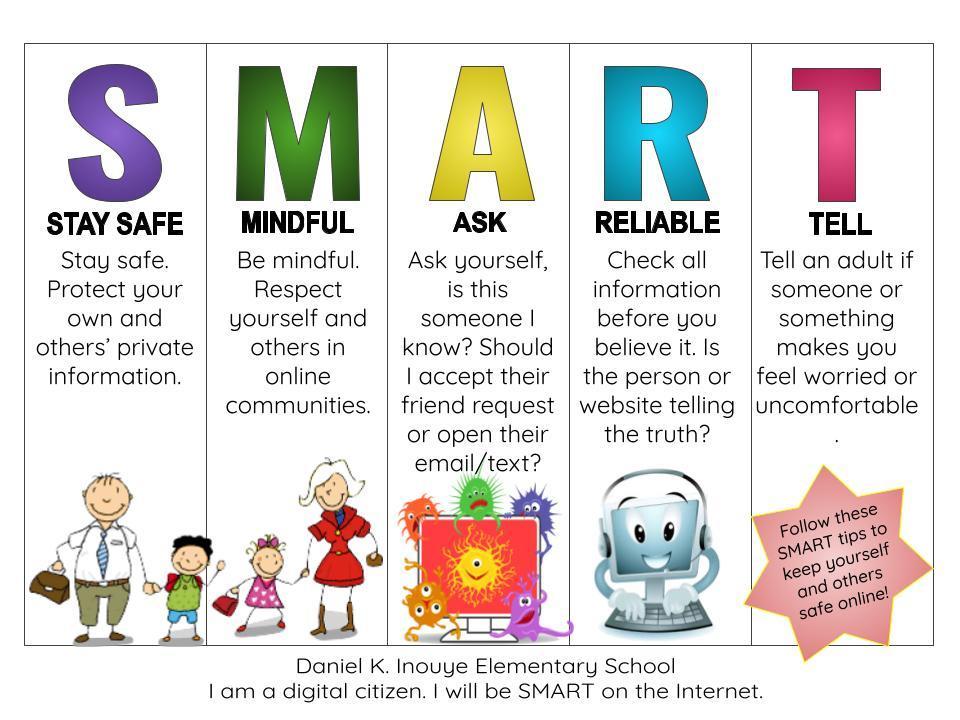
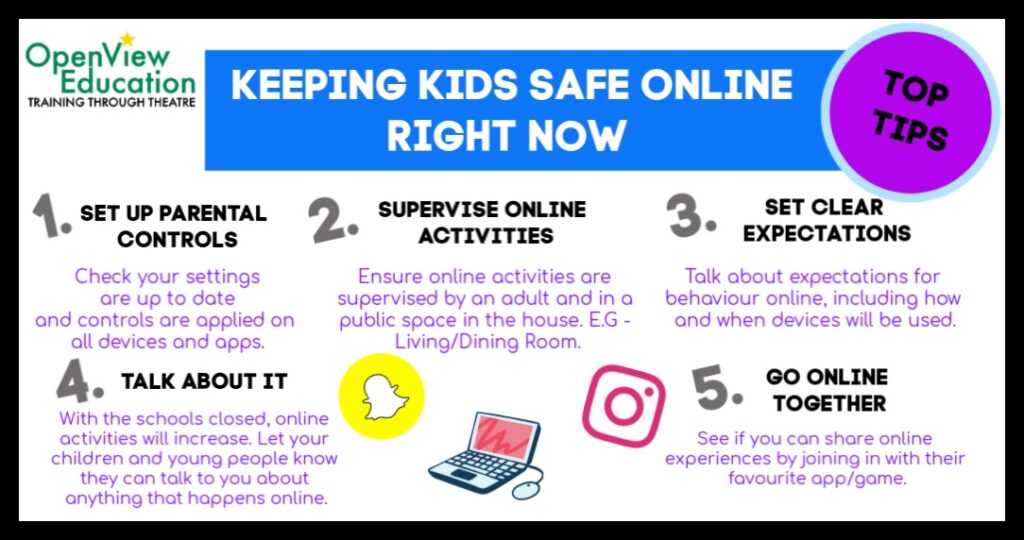
Think of the internet as a busy market. It’s exciting and useful, but you still keep your wallet close, right? Same logic applies online. Understanding Common Online Threats Before you protect yourself, you need to know what you’re up against. Phishing Attacks Explained Phishing is like a con artist pretending to be your bank manager. You receive an email, SMS, or WhatsApp message asking you to “verify” details. One click, and boom—your data is stolen. internet safety tips Always double-check the sender before responding. Identity Theft and Data Breaches When hackers steal your personal details and pretend to be you online, that’s identity theft. From fake loans to fraudulent purchases, the damage can be massive and long-lasting. Online Scams and Fraud Fake job offers, lottery wins, crypto schemes—if it sounds too good to be true, it probably is. Scammers rely on urgency and greed, so slow down and think before acting. Why You Should Never Reuse Passwords Using the same password everywhere is like using one key for your house, bike, and locker. If it’s stolen once, everything is at risk. Using Password Managers Safely Password managers store all your passwords securely, so you only remember one master password. Convenient and safer than sticky notes on your desk. Safe Browsing Habits internet safety tips Your browsing behavior matters more than you think. Avoiding Suspicious Links and Pop-Ups Pop-ups screaming “You won a prize!” are red flags. Close them immediately. When in doubt, don’t click. Social Media Safety Tips Social media is fun—but oversharing can backfire. Protecting Your Personal Information Avoid sharing phone numbers, addresses, travel plans, or personal documents publicly. Not everyone online is your friend. Managing Privacy Settings Spend 10 minutes adjusting privacy settings—it can save you years of regret. Control who can view your posts, tag you, or message you. internet safety tips Email Safety Best Practices Your inbox is a favorite target for cybercriminals. How to Spot a Phishing Email Poor grammar, urgent language, strange email addresses, and unexpected attachments are warning signs. When unsure, verify directly from the official website. Safe Email Attachments and Downloads Never download attachments from unknown senders. Even familiar names can be hacked. Mobile Internet Safety Your smartphone holds more data than your laptop—protect it well. App Permissions and Downloads Download apps only from official app stores. If a calculator app asks for camera access, something’s fishy. Public Wi-Fi Risks and Precautions Public Wi-Fi is convenient but risky. Avoid logging into banking apps or entering sensitive details on public networks. Online Safety for Children and Teens Kids grow up online now—it’s our job to guide them. Parental Controls and Monitoring Use parental control tools to limit screen time and block inappropriate content without spying excessively. Teaching Kids About Online Risks Talk openly about strangers, scams, and cyberbullying. Education is better than restriction alone. Protecting Financial Information Online Money matters deserve extra caution. Safe Online Shopping Tips Shop only on trusted websites, check reviews, and avoid deals that feel unrealistic. Use secure payment gateways. Secure Online Banking Practices Enable two-factor authentication and regularly check bank statements. Early detection can prevent major loss. Using Antivirus and Security Software Think of antivirus software as your digital bodyguard. Importance of Regular Updates Outdated software is easy to hack. Keep your operating system, apps, and antivirus updated. Firewalls and Device Protection Firewalls block unauthorized access to your device. Most modern systems have them built-in—just keep them enabled. Data Privacy and Digital Footprints Everything you do online leaves a trace. Understanding What Data You Share Read privacy policies (at least skim them). Apps often collect more data than necessary. How to Reduce Your Digital Footprint Delete unused accounts, clear old posts, and limit app permissions. Less data shared means less risk. What to Do If You Become a Victim Mistakes happen—what matters is how you respond. internet safety tips Immediate Steps After a Cyber Attack
Conclusion
Internet safety isn’t about fear—it’s about awareness. Staying safe online does not need you to be a tech savvy. Simple habits, a little caution, and the right tools can protect you from most digital dangers. Treat the internet like real life: stay alert, trust wisely, and protect what matters most—you.
Frequently Asked Questions (FAQs)
1. What is the most important internet safety tip?
Using strong, unique passwords and enabling two-factor authentication.
2. Is antivirus software really necessary?
Yes. It adds an essential layer of protection against malware and cyber threats.
3. How can I tell if a website is safe?
Check for HTTPS, a lock symbol, and genuine contact information.
4. Are public Wi-Fi networks dangerous?
They can be. Avoid sensitive activities or use a VPN.
5. How often should I update my passwords?
Every 3–6 months, or immediately after any data breach.