
Table of Contents
ToggleYoga for Beginners: An Easy Guide to Begin Your Journey
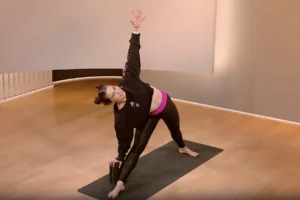
yoga for beginners Starting yoga can feel confusing at first—so many poses, breathing techniques, and unfamiliar terms. The good news? Yoga isn't about flexibility or perfection. It’s about moving your body, calming your mind, and feeling better step by step. This beginner-friendly guide will help you understand yoga and start your practice with confidence.
What Is Yoga?
Yoga is an ancient practice that began in India thousands of years ago. It combines physical postures (asanas), breathing exercises (pranayama), and meditation to improve overall health. Yoga focuses on balance—between body and mind, strength and flexibility, effort and relaxation.
For beginners, yoga is a gentle way to improve fitness without pressure or competition. Benefits of Yoga for Beginners Yoga offers many benefits, even if you practice just a few minutes a day: yoga for beginners Improves flexibility and posture Builds strength and balance Reduces stress and anxiety Improves breathing and lung capacity Helps with better sleep Increases focus and mental clarity You don’t need expensive equipment or a gym membership—just a mat and some time for yourself.
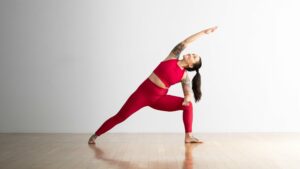
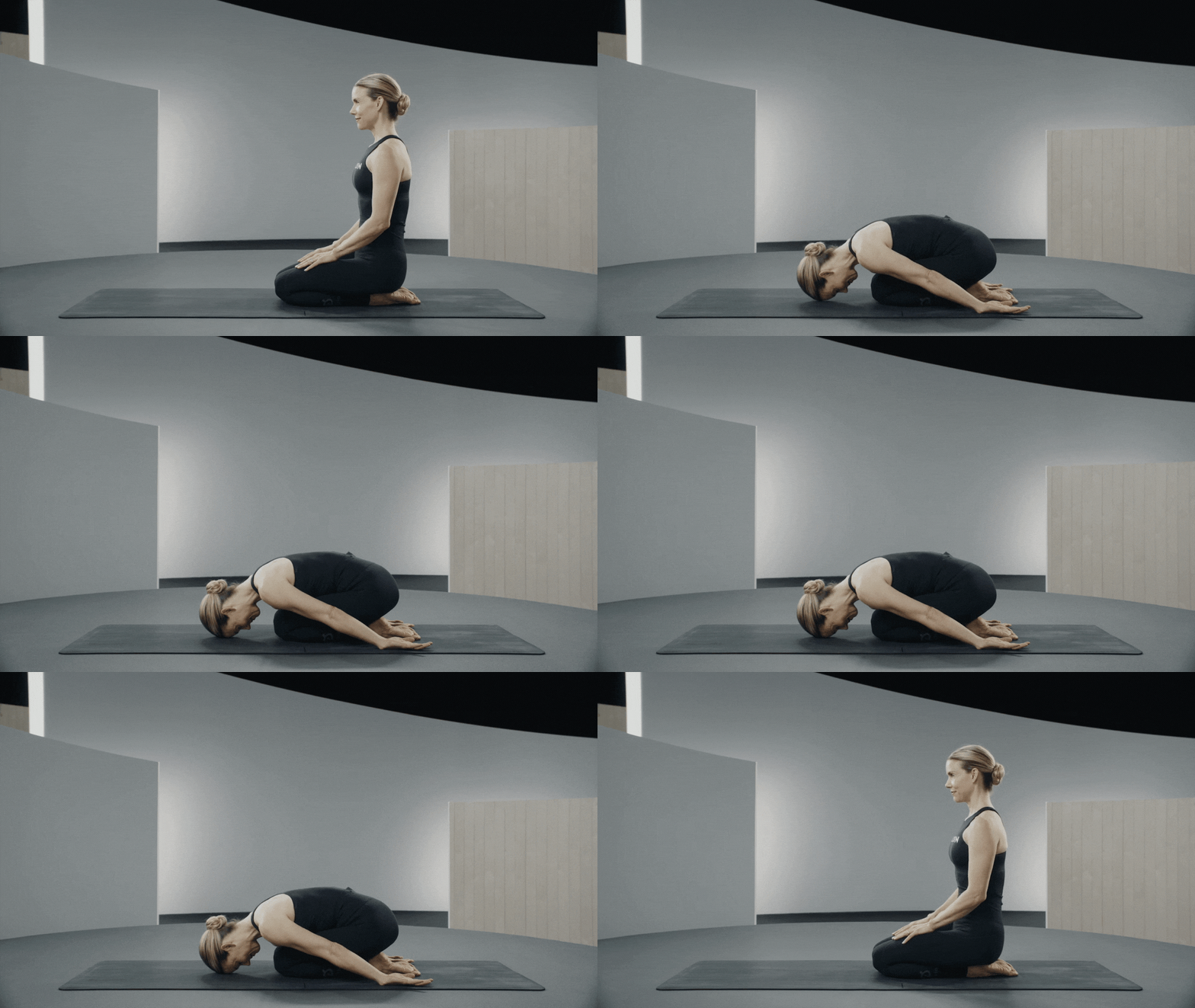
yoga for beginners Best Time to Practice Yoga You can practice yoga at any time of day, but beginners often find these times helpful: Morning: Boosts energy and sets a positive tone for the day Evening: Relieves stress and relaxes the body after work Choose a time you can stick to consistently. Basic Yoga Poses for Beginners Here are some easy and popular yoga poses that are perfect for beginners: 1. Mountain Pose (Tadasana) A simple standing pose for better posture and balance. 2. Child’s Pose (Balasana) A resting stance that soothes the body and clears the mind. 3. Cat–Cow Pose (Marjaryasana–Bitilasana) Great for warming up the spine and improving flexibility. 4. Downward Facing Dog (Adho Mukha Svanasana) Strengthens the body and stretches the legs, arms, and back. 5. Tree Pose (Vrikshasana)
yoga for beginners Improves balance, focus, and stability. Start slow and don’t force your body. Comfort is more important than perfection. Breathing Techniques for Beginners Breathing is a key part of yoga. Beginners can start with simple breathing exercises: Deep Belly Breathing: Inhale through the nose, exhale slowly Anulom Vilom (Alternate Nostril Breathing): Helps calm the nervous system Just 5 minutes of mindful breathing can make a big difference. Tips for Yoga Beginners Wear comfortable, stretchable clothing Use a yoga mat for safety and support Practice on an empty or light stomach Listen to your body—stop if you feel pain Stay consistent, even if it’s only 10–15 minutes a day Remember, yoga is a personal journey. Progress looks different for everyone. Common Mistakes Beginners Should Avoid Comparing yourself to others Pushing too hard too soon Holding your breath during poses Skipping warm-up and relaxation Yoga is about patience, not speed.
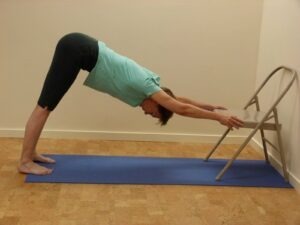
yoga for beginners Final Thoughts Yoga for beginners is not about touching your toes—it’s about what you learn on the way down. With regular practice, you’ll notice positive changes in your body, mind, and lifestyle. Begin small, maintain consistency, and enjoy the process. Your yoga journey begins the moment you step onto the mat.
Frequently Asked Questions (FAQs)
1. Is yoga good for beginners?
Yes, yoga is perfect for beginners. It’s mild, adjustable, and appropriate for all ages and fitness levels. You can start slowly and increase intensity as your body becomes more comfortable.
2. How long should beginners practice yoga daily?
Beginners can start with 10–15 minutes a day. As you gain confidence and strength, you can increase your practice to 30–45 minutes.
3.3. Do I need to be flexible to start yoga?
No, flexibility is not required to begin yoga. Yoga helps improve flexibility over time. Everyone starts at a different level, and that’s completely okay.
4. What equipment do I need for yoga at home?
You only need a yoga mat and comfy attire. Optional items like blocks or straps can help, but they are not necessary for beginners.
5. Can beginners do yoga at home?
Yes, beginners can easily practice yoga at home by following online videos, apps, or simple routines. Just make sure to practice on a flat, quiet surface.
6. What is the best time of day for beginners to do yoga?
Morning is ideal for energy and focus, while evening yoga helps relax the body and mind. Choose a time that corresponds to your regular schedule.
7. Is yoga safe for beginners?
Yes, yoga is safe when practiced correctly. Beginners should avoid forcing poses and listen to their body. If you have a medical condition, consult a doctor before starting.
8. How soon will beginners see results from yoga?
Many beginners feel more relaxed within a few days. Physical improvements like flexibility and strength usually appear within a few weeks of regular practice.
9. Can yoga help reduce stress for beginners?
Absolutely. Yoga combines movement, breathing, and mindfulness, which helps reduce stress, anxiety, and mental fatigue.
10. Should beginners join a yoga class or practice alone?
Both options are good. Classes provide guidance and correction, while home practice offers comfort and flexibility. Beginners can choose what suits them best.